Dr. Ramakrishna Janapati is a highly accomplished interventional cardiologist based in Hyderabad, with over 11 years of experience in diagnosing and managing complex heart conditions. He holds an MBBS from Osmania Medical College, followed by an MD in General Medicine and a DM in Cardiology from the prestigious Nizams Institute of Medical Sciences (NIMS). Dr. Janapati currently practices at Apollo Health City, Jubilee Hills, where he provides advanced cardiac care, including coronary angiograms, angioplasties, pacemaker implantation, and transcatheter interventions like TAVR.
A passionate academician and speaker, Dr. Janapati has presented at top national and international cardiology conferences such as TCT (San Francisco), EuroPCR (Paris), and CSI India. He has authored numerous peer-reviewed publications on topics ranging from Takotsubo Cardiomyopathy to invasive imaging and valvular disease management. He is a fellow of SCAI and a life member of CSI, IACI, and the Lipid Association of India.
His clinical expertise spans preventive cardiology, complex coronary interventions, structural heart disease, heart failure management, and pulmonary hypertension. Dr. Janapati is committed to delivering personalized, guideline-directed cardiovascular care while ensuring clear communication and continuity in follow-up.

- Call Us: 7995558874
- Email Us: rkjanapati19@gmail.com
Dr. Ramakrishna Janapati – Expert Heart Specialist in Hyderabad
Advanced treatment for chest pain, hypertension, and cholesterol

Trusted Interventional Cardiologist for Complete Heart Care
Specialized in angioplasty, heart failure, and prevention

Comprehensive Treatment for Chest Pain and Heart Health
Managing cholesterol and blood pressure to prevent heart disease

DR. RK Cardiology Clinic – Excellence in Cardiac Care
Managing heart disease with skill, precision, and compassion

Cardiac Care for Chest Discomfort and Hypertension
Focused care for blood pressure and lipid imbalance

.png)
.png)
.png)
.png)
.png)
DR. RK CARDIOLOGY CLINIC
About Us
Comprehensive Heart Care at DR. RK Cardiology Clinic, Hyderabad
DR. RK Cardiology Clinic, led by renowned Interventional Cardiologist Dr. Ramakrishna Janapati, is a premier heart care center based in Hyderabad, dedicated to delivering advanced and compassionate cardiovascular care. Backed by over a decade of clinical and academic excellence, the clinic provides comprehensive diagnosis, management, and prevention of various heart-related conditions using evidence-based protocols and state-of-the-art technology.
The clinic offers a wide range of general cardiology services, including evaluation and treatment of chest pain, palpitations, breathlessness, swelling of the legs, high blood pressure, and cholesterol disorders. It is well-equipped with non-invasive diagnostic tools such as ECG, 2D-Echo, and Treadmill Testing (TMT) for accurate cardiac assessment.
Dr. Janapati specializes in interventional cardiology, offering procedures such as coronary angiogram, angioplasty with stenting, PTCA, PBMV, and advanced structural heart interventions like TAVR and Mitra Clip. The clinic also provides care for heart failure, pacemaker and ICD implantation, and device closures like ASD.
With a strong focus on preventive cardiology, personalized care, and long-term follow-up, DR. RK Cardiology Clinic stands as a trusted destination for cardiac patients. It combines clinical expertise with a patient-first philosophy, ensuring safe, effective, and compassionate heart care for all.
11+
Years of Experience
5K+
Angioplasties Performed
1K+
Permanent Pacemaker Implantation Done
10K+
Advanced Cardiac Procedures Done
Our Specialization

Clinical Cardiology

Cardiology

Interventional Cardiology

Structural Heart Disease
Pulmonary Hypertension

Preventive Cardiology
Our Healthcare Services
Comprehensive, patient-centered solutions for every stage of heart health
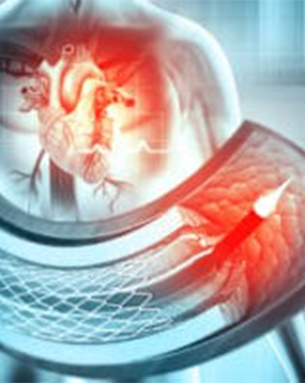

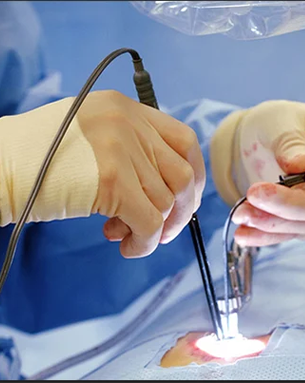
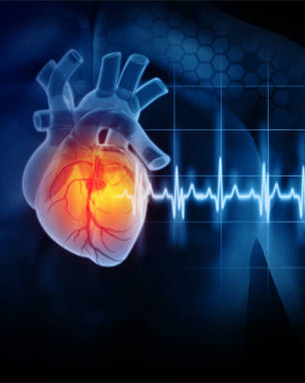
Dr. Ramakrishna Janapati
Cardiologist
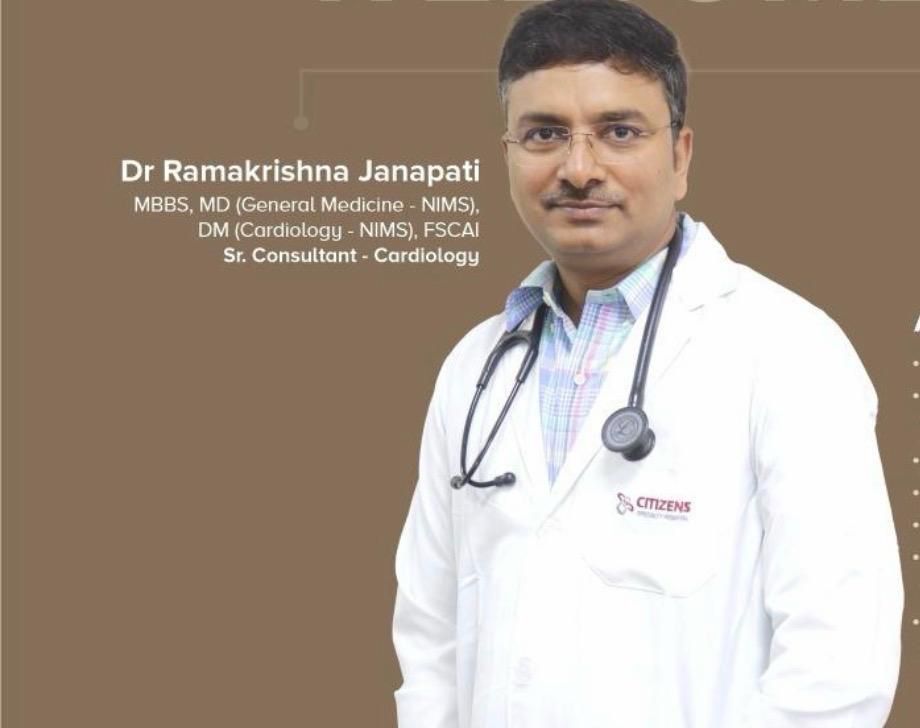
- MBBS, MD (General Medicine) NIMS, DM (Cardiology) NIMS, FSCAI
- 11.0 Years Of Experience
- Licence No. 60681- TSMC
- Call
- Video Call
- In person
Testimonials
What our Patients says about us
Ramakrishna Janapati is a good. Since last 3 years I am coming Idea clinic's. Here staff also very good response there. …

Vepuri Krish
Dr. Ramakrishna Sir, Your expertise and compassion are a rare combination. You're the epitome of professionalism and empathy. I'm so grateful for your thorough explanations and reassuring manner. Your commitment to healthcare is truly admirable. You've made a significant impact on my father's health journey. Your kindness and understanding have helped me feel at ease. Your work is truly lifesaving, and I salute you.
Gudla Srinivas
Dr. Ramakrishna Sir, 8 months agoDr. Ramakrishna is very good, understands the problem very well and his prescriptions works really well, i have been visiting the doctor over an year and my experience throughout with him is good, he personally diagnose each problem with the equipment. Very empathetic towards patient.
Vishwanath
I have visited since 6 months Dr Rama krishna sir, He is treat very well patients and communication My Bp issue is alright now I am recommend Dr rama krishna sir For Bp and heart related issues Thank you sir
Galipothula Arun
I met Dr Ramakrishna for my wife's health problem We both were extremely happy with his attitude knowledge and hearing our explanation keenly and understood the issue Gave proper medication and we thank him for the advise We sincerely recommend him to all my friends who need the medical advice
Gopala Nukala
Media Pictures
Frequently Asked Questions
Need Answers? Find them here...
What are Dr. Ramakrishna Janapati's qualifications and areas of expertise as an interventional cardiologist in Hyderabad?
Dr. Ramakrishna Janapati is a highly accomplished interventional cardiologist based in Hyderabad with over 11 years of experience. He earned his MBBS from Osmania Medical College and further pursued an MD in General Medicine and a DM in Cardiology from the prestigious Nizams Institute of Medical Sciences (NIMS). His expertise includes coronary angiograms, angioplasties, pacemaker implantation, and transcatheter interventions like TAVR, focusing on complex heart conditions and personalized cardiovascular care at Apollo Health City, Jubilee Hills.
What are Dr. Janapati's contributions to cardiology research and professional organizations?
Dr. Ramakrishna Janapati is a passionate academician, having presented at top cardiology conferences such as TCT (San Francisco) and EuroPCR (Paris). He has authored numerous publications on topics like Takotsubo Cardiomyopathy and valvular disease management. Dr. Janapati is a fellow of SCAI and a life member of CSI, IACI, and the Lipid Association of India, showcasing his commitment to advancing cardiology research and contributing to professional organizations in his field.
What is general cardiology, and how does it differ from specialized cardiac care?
General cardiology focuses on the overall management of cardiac health, including prevention, diagnosis, and treatment of heart conditions. It encompasses both non-invasive and invasive procedures but serves as the foundational approach before considering specialized care like interventional cardiology or heart failure treatment. General cardiologists often collaborate with specialists to provide comprehensive cardiac care.
What qualifies as a non-invasive cardiology procedure?
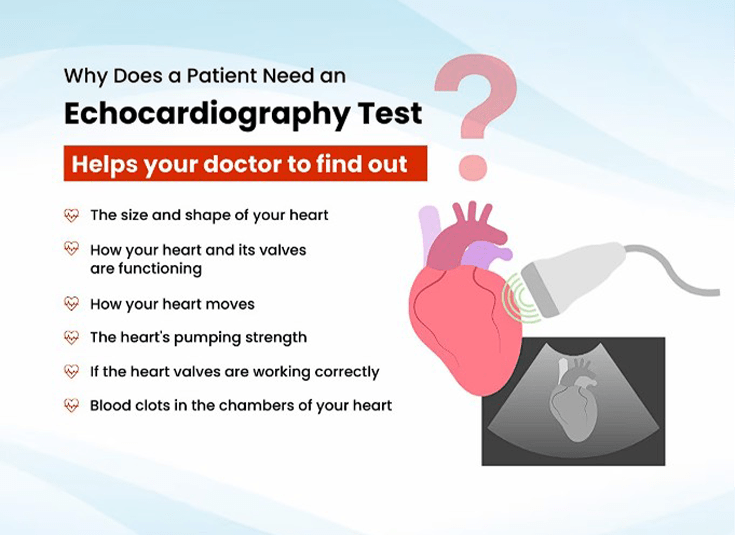
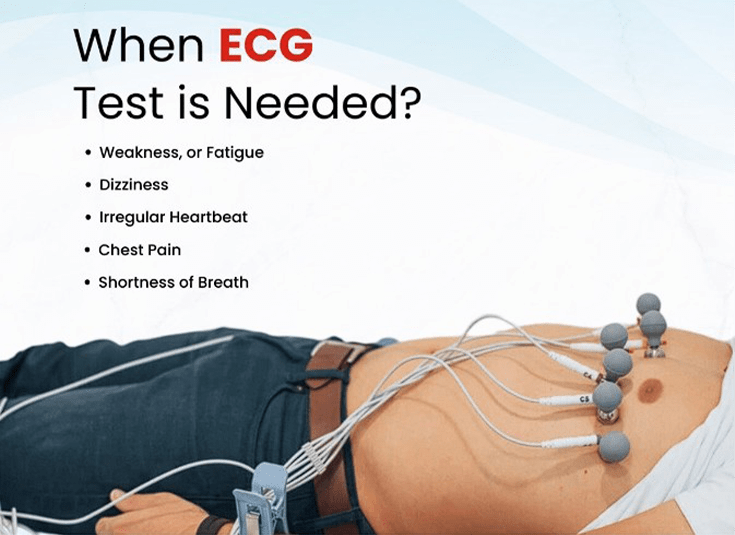
Non-invasive cardiology procedures are diagnostic tests and treatments that do not require inserting instruments into the body. Examples include electrocardiograms (ECG), echocardiograms, stress tests, and Holter monitoring. These procedures help in assessing heart function, diagnosing conditions, and guiding further treatment without the need for invasive techniques.
What are invasive cardiology procedures, and when are they necessary?
Invasive cardiology procedures involve entering the body to treat heart conditions. They are necessary when non-invasive methods show abnormalities. Common invasive procedures include angiography, angioplasty, stent placement, and cardiac catheterization. These procedures allow for direct treatment of blocked arteries or other cardiac issues that can't be managed through medication alone.
How is heart failure diagnosed and managed?
Heart failure is diagnosed through a combination of physical exams, patient history, and tests such as echocardiograms, ECGs, blood tests, and sometimes cardiac MRI. Management includes lifestyle changes, medications, and sometimes invasive procedures or device implants like pacemakers or ICDs. Regular follow-ups with a heart failure specialist are crucial to monitor the condition and adjust treatments.
What is a pacemaker, and why might someone need one?
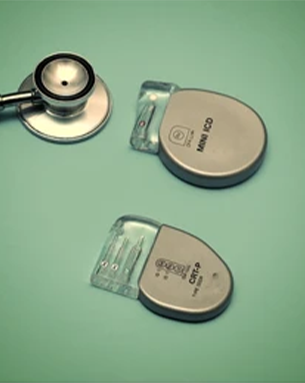
A pacemaker is a small device implanted under the skin to help manage irregular heartbeats. It sends electrical impulses to prompt the heart to beat at a normal rate. People with arrhythmias, bradycardia, or heart block may need a pacemaker to ensure a steady heart rhythm and improve heart function, quality of life, and prevent complications.
What is an ICD, and how does it differ from a pacemaker?
An ICD, or Implantable Cardioverter Defibrillator, is a device similar to a pacemaker but serves a broader role. Besides pacing the heart like a pacemaker, an ICD can deliver shocks to correct life-threatening arrhythmias. It's used in patients at high risk of sudden cardiac arrest, offering a lifesaving intervention by restoring normal heart rhythm during dangerous electrical disturbances.
How do device closures, such as ASD closures, work?
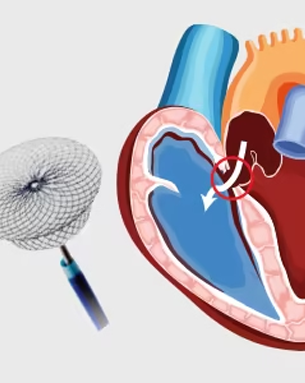
Device closures, like Atrial Septal Defect (ASD) closures, involve minimally invasive procedures to correct heart defects. An ASD closure uses a device to close openings in the atrial septum, preventing abnormal blood flow between heart chambers. This procedure is performed via catheterization, offering a less invasive option than open-heart surgery, with quick recovery and reduced risks.
Can lifestyle changes complement cardiac treatment after procedures?
Yes, lifestyle changes are crucial in complementing cardiac treatment post-procedures. Patients should adopt heart-healthy diets, regular exercise routines, stress management, and smoking cessation. These changes help improve overall heart function, reduce the risk of future complications, and enhance the effectiveness of treatments, whether after non-invasive procedures or more critical interventions like device implants.
What should patients expect during a cardiac catheterization procedure?
During cardiac catheterization, a thin tube is inserted through the blood vessels to the heart to diagnose and treat cardiovascular conditions. Patients remain awake but sedated, experiencing little to no pain. The procedure typically takes an hour, followed by a few hours of rest. It's crucial to follow post-procedure care instructions for optimal recovery and reduce the risk of complications.
What are the risks associated with invasive cardiology procedures?
Invasive cardiology procedures, while generally safe, carry some risks such as bleeding, infection, blood clots, and adverse reactions to anesthesia. Rarely, they can lead to heart attack, stroke, or damage to blood vessels. However, benefits often outweigh risks, especially when performed in accredited centers with skilled professionals. Patients are informed of potential risks and benefits prior to procedures.
How does an interventional cardiologist assist in managing heart disease?
Interventional cardiologists specialize in minimally invasive procedures to treat heart diseases. They perform angioplasties, stent placements, valve repairs, and device implantations like pacemakers or ICDs. By using catheter-based techniques, they provide solutions for complex cardiac conditions with reduced recovery times and lower risks compared to surgical interventions. Their expertise is crucial in managing and expanding treatment options for heart disease.
Are there any non-surgical options for treating heart valve diseases?
Yes, many heart valve diseases can be treated with non-surgical methods. Transcatheter procedures, such as Transcatheter Aortic Valve Replacement (TAVR), allow for repairing or replacing heart valves via catheters. Patients unsuitable for surgery due to age or comorbidities benefit from these less invasive approaches, offering improved outcomes and shorter recovery times compared to traditional surgery.
Location & Location Map
 Address :IDEA CLINICS, Rd Number 1, opp. Sankhya Hospital, Kukatpally Housing Board Colony, Kukatpally, Hyderabad 500085, Telangana Address :Apollo Hospitals Jubilee Hills Hyderabad, Rd Number 72, opposite Bharatiya Vidya Bhavan School, Film Nagar, Hyderabad 500033, Telangana Address :Citizens Specialty Hospital, Nallgandla, Hyderabad 500019, Telangana
Working Hours
MONDAYClosed
TUESDAYClosed
WEDNESDAYClosed
THURSDAYClosed
FRIDAYClosed
SATURDAYClosed
SUNDAYClosed